

What a Reference Photo Actually Carries
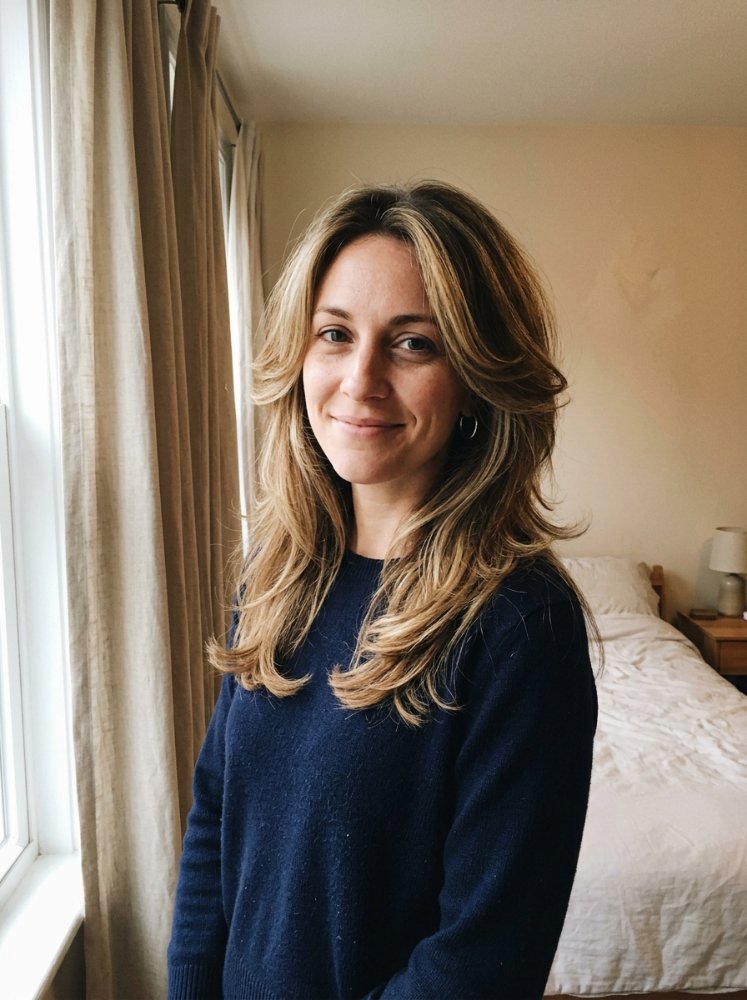
I had a screenshot pulled up on a phone three times this week, same photo, three different people. Soft curtain bangs, low-maintenance layers, that loose wave that looks like it happened by accident. None of the three women had hair that could do that wave by accident.
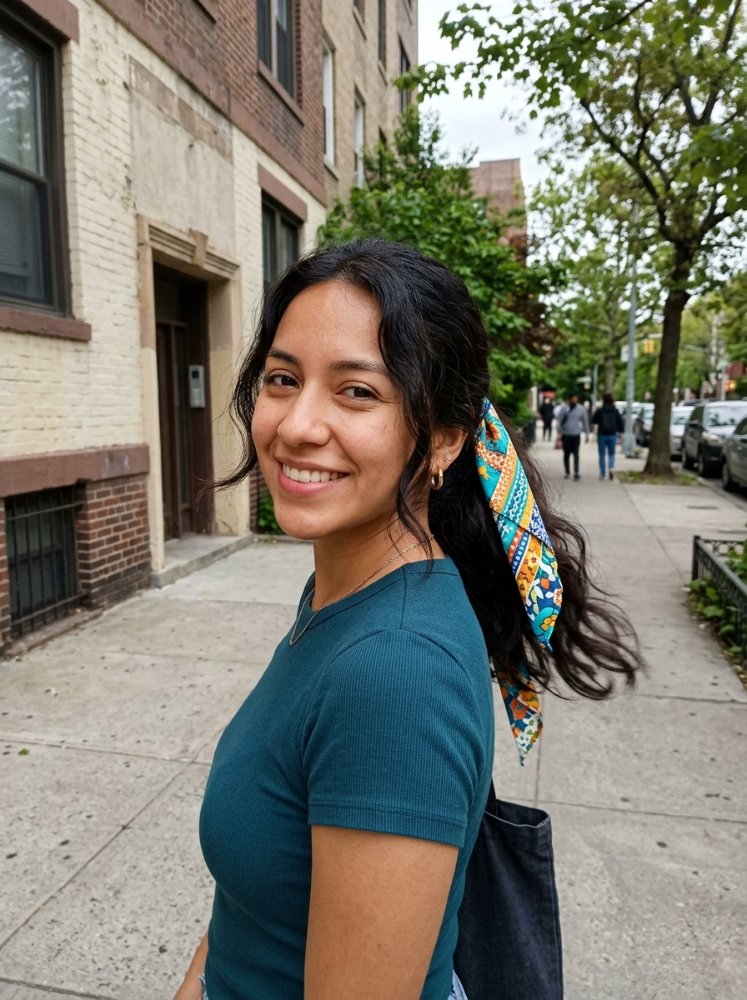
One had fine straight hair with almost no natural bend. One had a hairline that sat differently than the model’s, which changes where bangs actually fall versus where they look like they fall in a photo shot at a slight downward angle. The third had the right texture but half the density, and density is doing more work in that photo than anyone clocks.
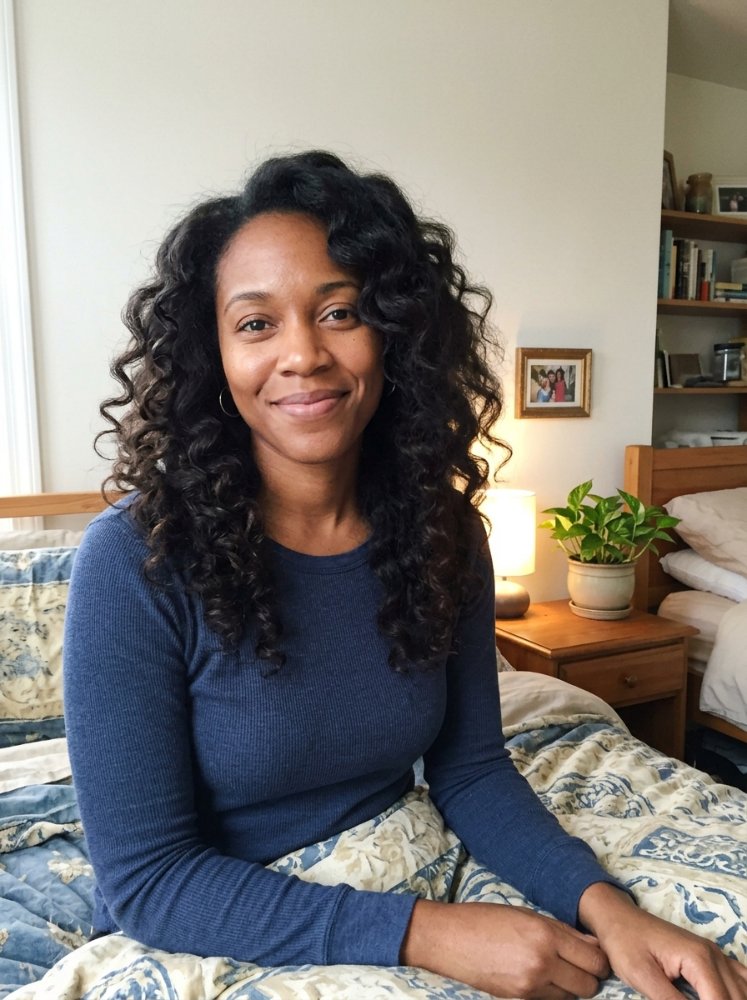
Here’s my actual opinion, and I’ll say it plainly: most hair inspo photography is showing you a finished product, not a hair type, and styling toward the photo instead of toward the hair underneath it is why so many people leave the chair disappointed even when the cut was technically correct. The photo is not a blueprint. It’s a result.
People bring me results and ask me to reverse-engineer them onto hair that didn’t generate that result in the first place.
I don’t think this is controversial among stylists, but I also don’t think we say it enough out loud, because it sounds like we’re telling someone their hair can’t look nice, which isn’t what I mean. I mean the photo is lying about how it got there.
Texture Is Doing More Than People Want to Admit
Something I keep running into: people pick a reference photo based on the cut shape and ignore the texture entirely, like texture is a setting you can just toggle once the scissors do their part. It’s not. A blunt, face-framing layer on naturally wavy hair behaves completely differently than the same layer on stick-straight hair, and not in a subtle way.
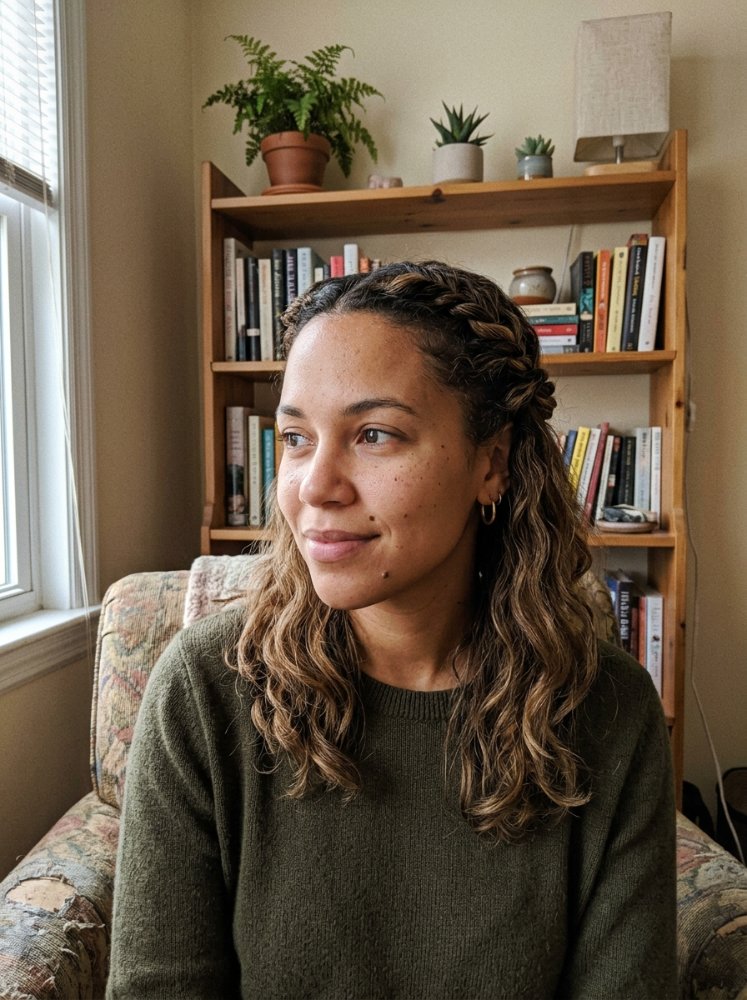
The wave fills in gaps the cut leaves open. Straight hair shows every gap.
So when someone with straight hair brings me a photo of wavy-haired layering and says “I want this but obviously I’ll straighten it,” I usually tell them the cut isn’t actually the same cut anymore once you remove the texture it was built around. It’s a different haircut now.
I’ll still do it, but I want them to know going in that we’re not copying the photo, we’re translating it, and translation always loses something.
I don’t fully understand why this keeps surprising people when texture is the most obvious thing about anyone’s hair. It’s the first thing you notice.
I don’t know if it’s the photos themselves training people to think texture is optional, or if it’s something about how often these images get circulated already edited, smoothed in post, color-corrected in a way that makes the texture read differently than it would in person. I’ve never resolved that one. It comes up, I notice it, and then I’m back to working on whoever’s in the chair.

Where Bangs Actually Sit
Bang placement gets blamed on a lot of things that aren’t the real problem. People think their bangs “won’t do” what the photo’s bangs do because of cowlicks, or growth pattern, or some vague idea about their hair being “difficult.” Sometimes that’s true.
More often it’s that the model in the photo has a hairline that starts further back, or sits flatter, and the bangs are working with that, not against it.
I had a client a couple years ago who’d been told by two previous stylists that her hairline made curtain bangs impossible for her. She came in with a photo and was almost apologetic about asking, like she expected me to confirm the diagnosis. Her hairline wasn’t the issue.
Her part had been cut to fight her natural fall instead of with it, and the appointment before mine had been a quick walk-in fix between two color clients, so there hadn’t been time to actually watch how her hair settled before cutting. I had forty extra minutes that day because a cancellation opened up, so I just let her hair dry naturally first and watched where it wanted to go before touching it.
Different bangs than what either of us expected, but they sat the way the reference photo’s bangs sat. The hairline was never the problem. The rushed appointment was.

I bring this up not because every bad bang situation is a time problem, but because the actual cause is almost always more specific and less mystical than “your hair just can’t do that.”,
Density Changes the Whole Conversation
This is the one nobody wants to hear, including me, some days. Density isn’t really fixable. You can create the illusion of more density through cutting technique, layering that hides gaps, color placement that adds visual fullness, but you cannot cut hair into having more strands per square inch.
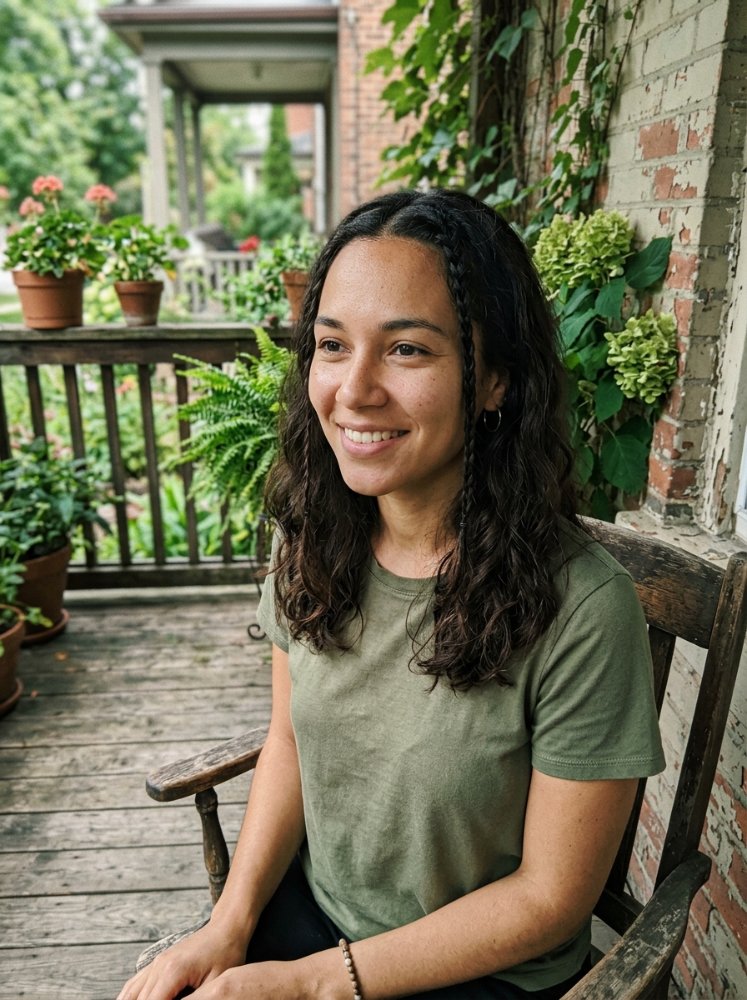
A reference photo with thick hair styled into soft, separated layers is showing you a finished look that has a built-in margin of error you don’t have with thinner density. Thick hair can lose volume in fifteen places and still look intentional. Thin hair loses volume in three places and starts looking unfinished.
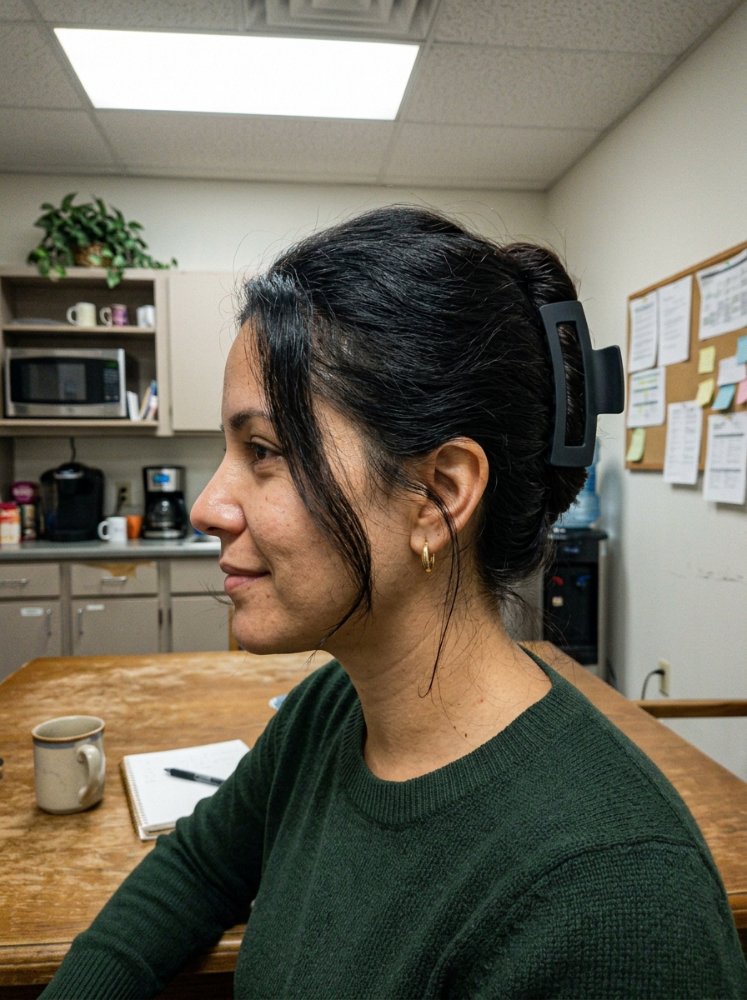
I’m not saying thin hair can’t do soft layered looks. I’m saying the cut has to work harder and the styling routine has to be tighter, and most reference photos give you zero information about either of those things because the model never had to think about them.
I’m skipping the conversation about extensions here, and the conversation about how filters and lighting setups change perceived density on camera, because both of those are their own separate mess and this isn’t that article.
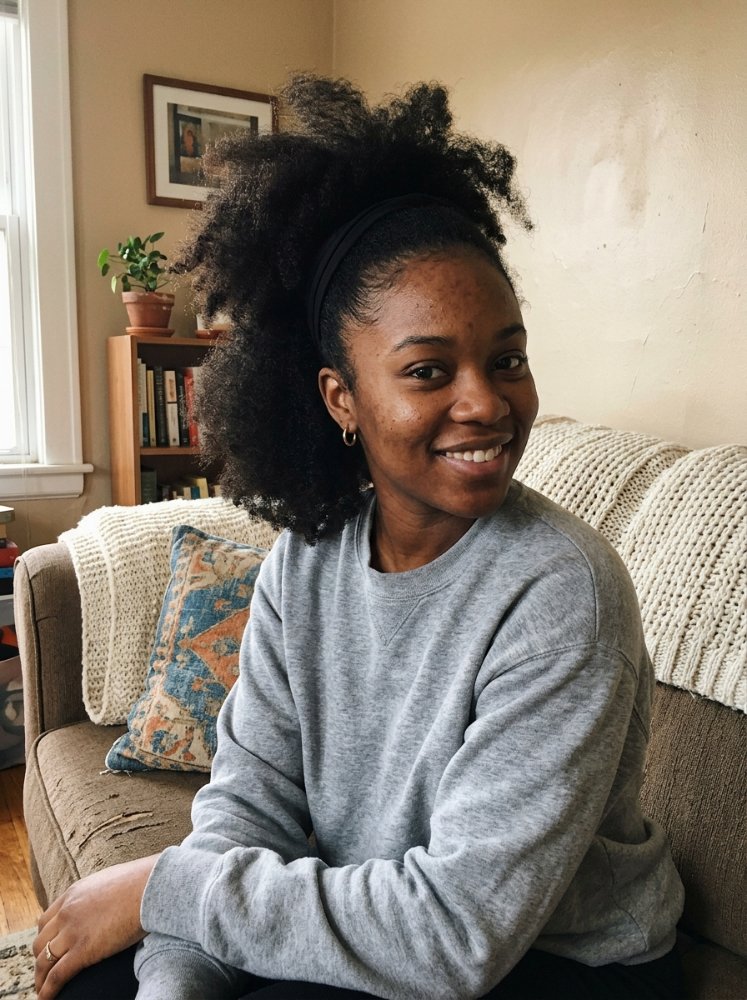
What changes is what I cut toward. If someone brings me a thick-hair reference photo and they’ve got fine, lower-density hair, I’m not copying the layer placement. I’m copying the effect the layer placement is going for, which sometimes means doing the opposite of what’s in the photo.
Heavier internal layering instead of lighter. Less length removed at the ends, not more. It looks similar in a mirror. It is not the same haircut.
Where the Photo Stops Being Useful
There’s a point in almost every consultation where the reference photo has done its job and needs to get put away, and most people don’t know when that point is. It’s usually right after we’ve talked about shape and before we start talking about how they’ll actually style it at home on a Tuesday morning with eleven minutes before they leave for work.
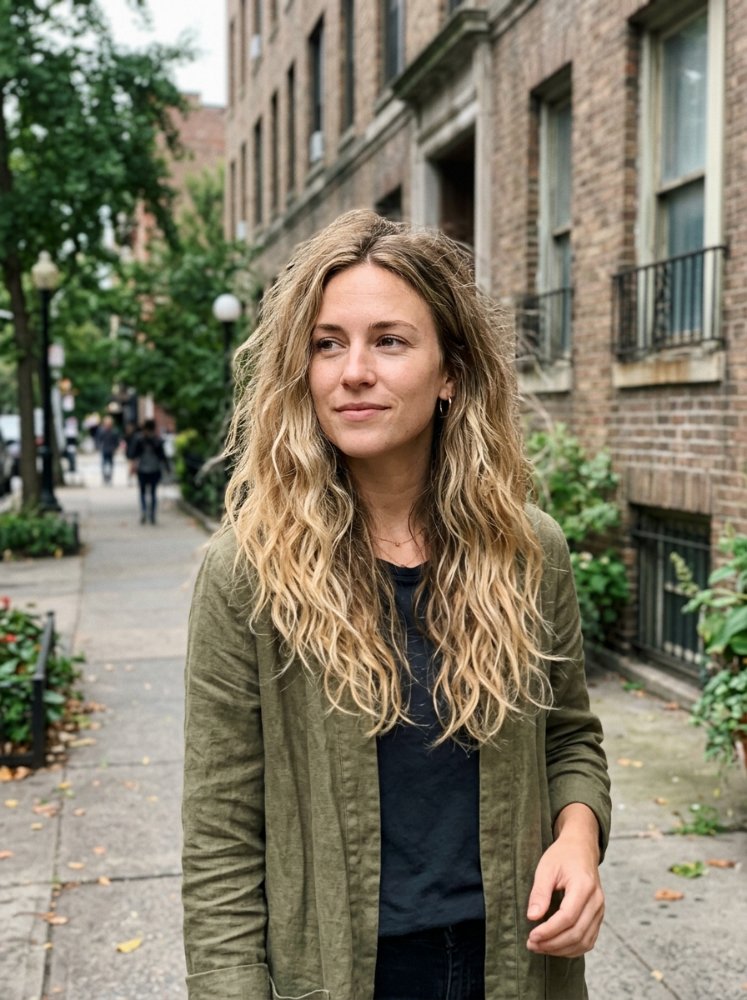
I don’t think people are wrong to bring photos. I actually like when someone has one, it tells me more in five seconds than most verbal descriptions tell me in five minutes. The problem isn’t the photo.
It’s keeping the photo open on the counter through the entire appointment like it’s a contract.
Color Behaves Differently Depending On What’s Already There
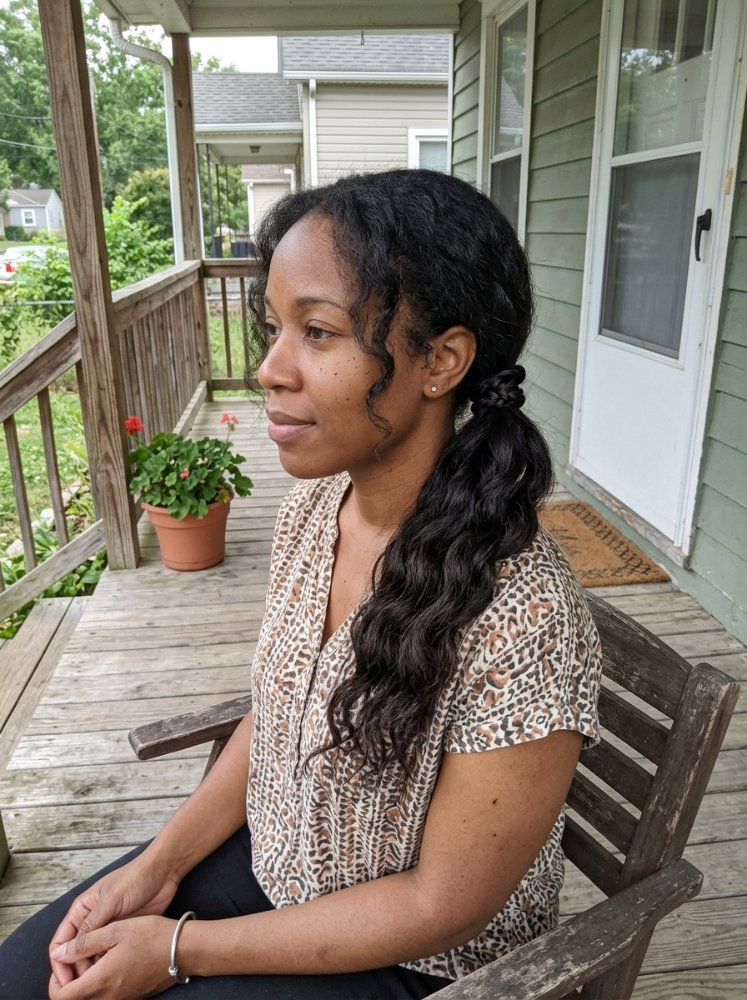
A lot of hair inspo aesthetic right now leans heavily on color, soft babylights, low-maintenance grow-out, that sun-kissed thing that’s supposed to look like it happened on a beach somewhere and not in a salon chair for three hours. What gets lost is that the color in these photos is almost always sitting on top of a previous color history that isn’t visible in the photo.
Virgin hair takes lightener differently than hair that’s been colored before. Hair with old box dye underneath grabs warmth in places you don’t want warmth. None of that shows up in a phone screenshot.
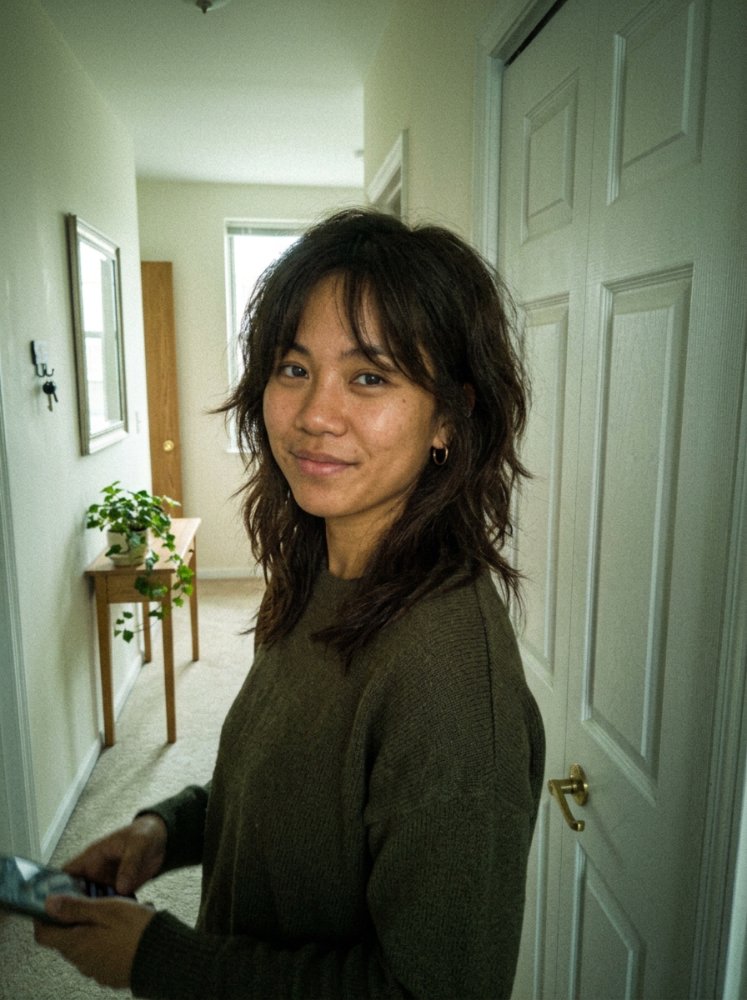
I had someone last month bring in a photo of this exact soft, multi-tonal blonde and her hair had a layer of at-home color underneath from maybe eight months back, mostly grown out but not fully, sitting right at the mid-lengths where the new lightener needed to go evenly. We couldn’t get the same tone in one session.
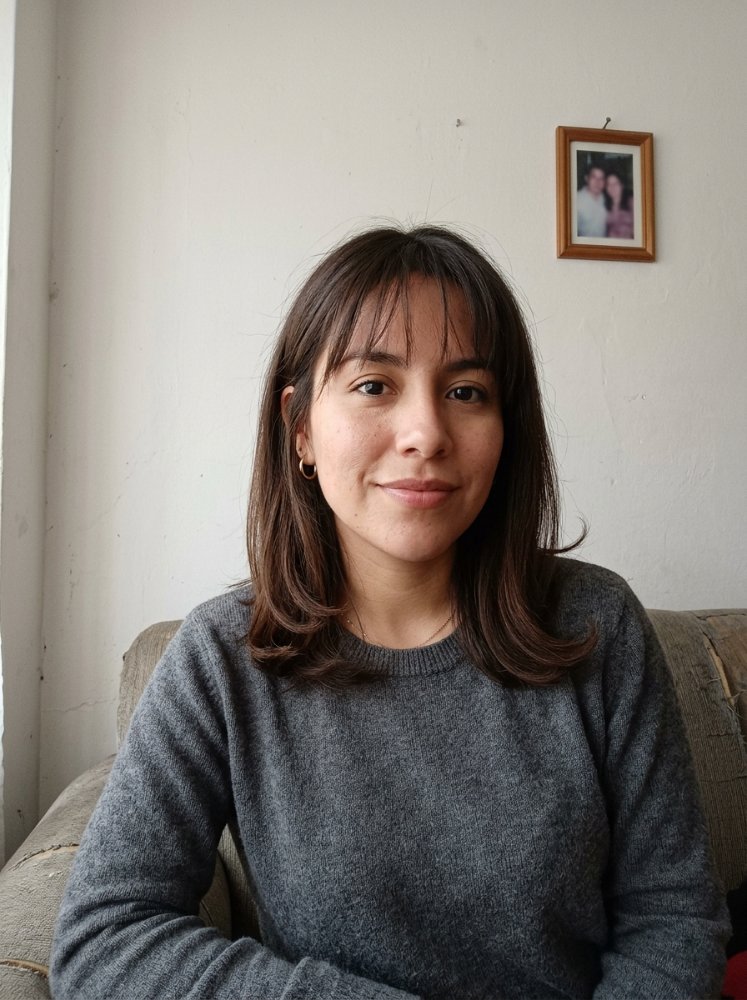
Not because of skill, because of what was already in the hair, and there wasn’t a version of that appointment where the photo and her actual hair history were going to meet in three hours. She’d had it colored at a different salon originally and the formula notes hadn’t traveled with her, so I was working partly blind on what was underneath until the lightener started lifting and told me itself.
This is the part of the job that photos can never show you, because the photo doesn’t know its own color history either, not really.
The thing about regrowth-friendly color, the kind that’s supposed to grow out soft instead of showing a hard line, is that it requires a specific kind of base work that takes longer than people expect and costs more than the “low-maintenance” framing implies. I’m not against the look. I do it often.
I just think the marketing language around it, low-maintenance, lived-in, effortless, undersells the appointment that built it.
A Disagreement I Haven’t Worked Out
Some of the stylists I talk to think showing clients multiple reference photos instead of one is the fix, that triangulating between three or four images gives a more honest target than one photo treated as gospel. I used to think that too.
Now I’m not sure it doesn’t just create a different problem, where someone’s now chasing an average of three unrealistic results instead of one, and somehow more confident about it because there’s more “data.”,
I don’t have a clean answer here. I go back and forth on it depending on the week, depending on the client, depending honestly on how much time I have that day to actually talk someone through it instead of just working from whatever they hand me.
Lighting Is Lying To You More Than the Cut Is
People underestimate how much of what reads as “effortless texture” in a photo is actually three studio lights and a diffused setup designed to catch individual strands without flattening the whole picture. Salon lighting is usually overhead and unflattering for exactly this reason, harsh and flat, which means a style that looked soft and dimensional in the reference photo can look almost severe under the lights you’re actually getting your hair cut under.
I tell people this and they usually think I’m being dramatic until they see their own hair under their bathroom light that night and it suddenly reads completely differently than it did in the chair.
This isn’t really about hair at all, it’s about expectations management under inconsistent lighting conditions, and I don’t have a fix for it beyond telling people in advance, which only sometimes lands.
What Actually Carries Over Between Hair Types
If I’m being honest about what does translate from a reference photo to someone else’s hair, it’s almost never the literal shape. It’s the proportion. Where the weight sits relative to the face, how much length stays heavy at the bottom versus broken up throughout, whether the silhouette is round or more angular at the ends.
Proportion survives the translation. Texture and density rarely do, not without real adjustment, and color only survives if the starting point underneath is close enough to begin with.
I tell people this now pretty directly instead of dancing around it, mostly because dancing around it wastes everyone’s time and the appointment goes better when expectations are set early instead of discovered at the mirror.
A Cut That Looked Wrong For Two Weeks
I took more off than the reference photo showed once, on someone with a lot of natural curl shrinkage, because I was accounting for how much the length would pull up once it dried and sprang into its actual curl pattern instead of the stretched-out wet length I was cutting. She left unhappy. Called the next day, still unhappy.

I told her to give it the full dry cycle and come back if it still felt wrong after two weeks of actually wearing it day to day, not just the first wash. She didn’t come back unhappy. She came back for her next appointment and didn’t mention it, which in this business is basically a compliment.
I bring this up because it’s the opposite of the density problem from earlier in this piece. Sometimes the issue isn’t translating someone’s hair to match a photo’s volume, it’s translating a photo’s volume to match what someone’s hair is actually going to do once gravity and curl pattern get involved, and those two problems require opposite instincts even though they look identical in the consultation chair.
Maintenance Routines Are Part of the Look, Not Separate From It
Nobody photographs the maintenance. The reference photo aesthetic implies a wash-and-go simplicity that almost never matches the actual routine behind it, the leave-in product, the diffusing technique, the fact that the model’s hair was probably styled by someone with hands trained specifically for that hair type that morning.
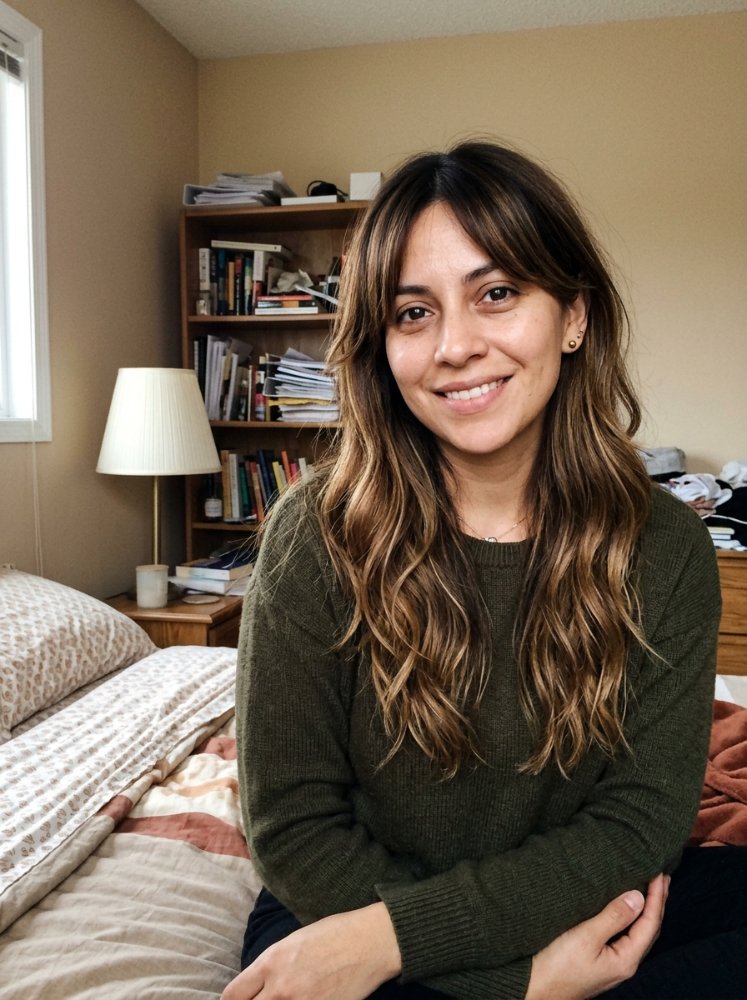
People copy the cut and skip the fifteen minutes of product work the look depends on, then wonder why their version looks flatter or frizzier or just less finished.
I’m not going to get into specific product recommendations here, or into the debate about whether certain styling tools are worth the cost, because that’s a different conversation and one that gets argued about enough elsewhere without me adding to it.
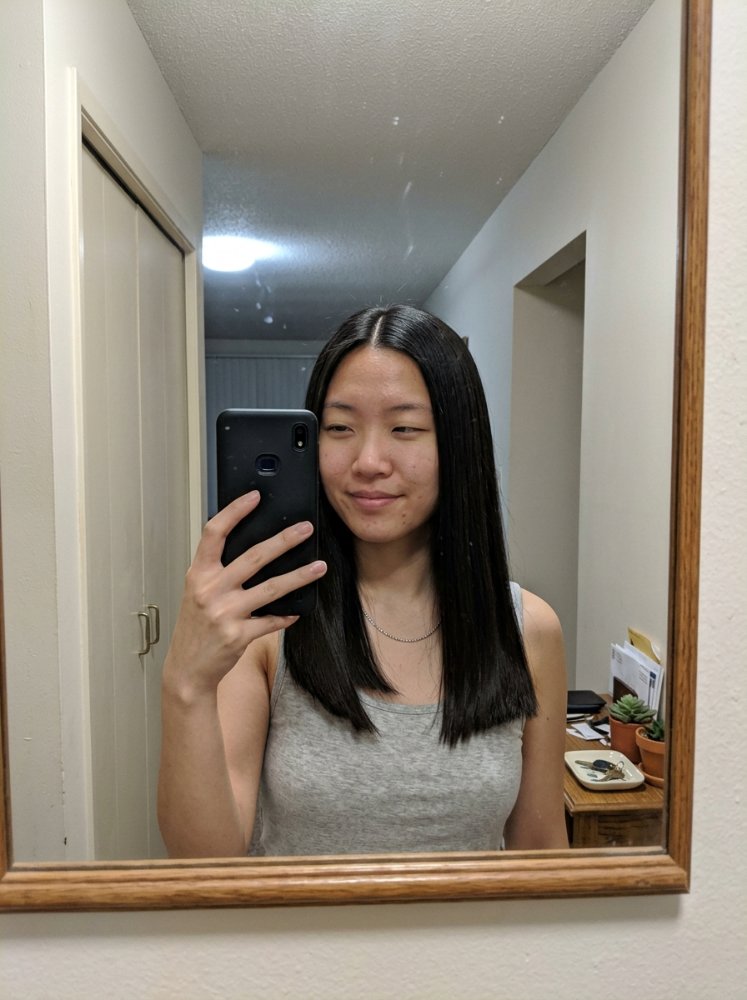
What I will say is that a haircut and a styling routine are sold to people as one thing in these photos, packaged together, when really they’re two separate skills that happen to be performed by the same person in the photo and very rarely by the same person at home.
The Thing About Wanting a Specific Result
There’s nothing wrong with wanting to look like a photo. I don’t think that’s vanity or unrealistic in some judgmental sense, people have always brought reference images to stylists, it’s not new. What’s shifted is the volume of images and how disconnected they are from any visible process, so the gap between photo and outcome feels bigger and more personal than it used to, like the failure to replicate it says something about your hair specifically rather than about how photographs work.
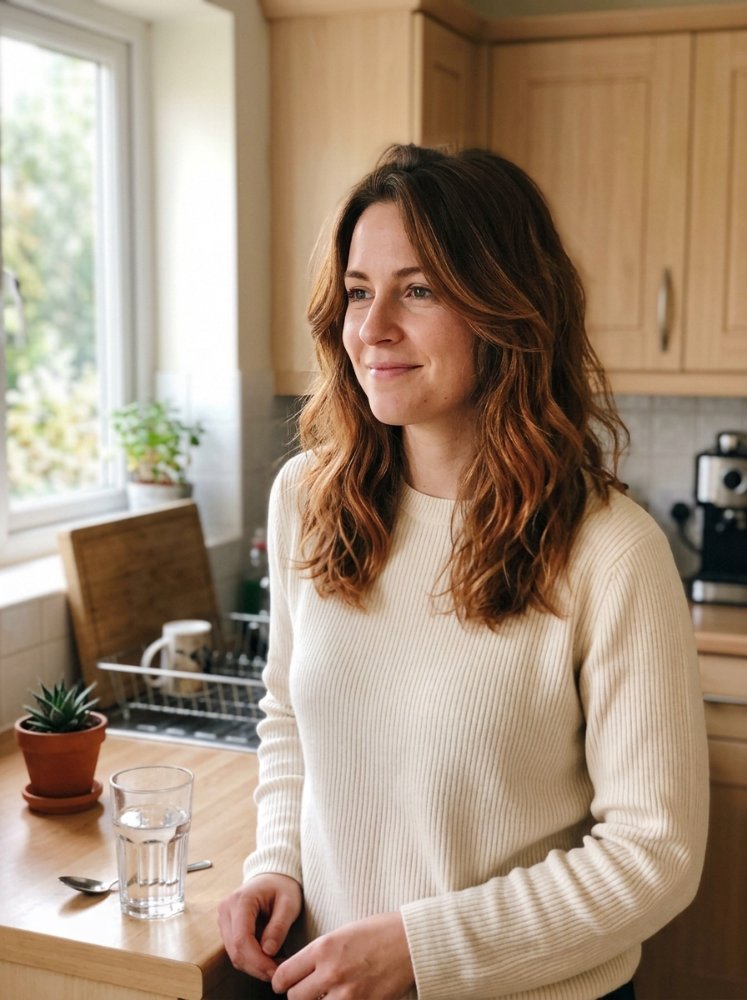
I don’t know if that’s a hair industry problem or just a photography problem that happens to land on hair particularly hard, because hair is one of the few things people photograph that’s also walking around attached to a person who has to live with it under normal light, in real weather, without someone adjusting the angle.


Leave a Reply